
Why Acrylic Prints Are a Game-Changer for Photographers?

When it comes to showcasing photography, presentation matters just as much as the photo itself. The way an image is displayed can enhance its visual impact, evoke emotion, and leave a lasting impression on viewers.
That’s where acrylic photo prints come in. Unlike traditional paper or canvas options, acrylic printing involves mounting your image behind a glossy, crystal-clear acrylic sheet—creating stunning depth, vibrant color, and a sleek, modern finish. Whether you're a professional photographer displaying in a gallery, a hobbyist curating your home collection, or a brand showcasing products, the right format can elevate your work dramatically.
Acrylic artwork doesn’t just look impressive—it transforms the way your images are perceived. In this blog, we’ll explore why photographers are increasingly choosing acrylic over other mediums and how it can completely change the game for your creative or commercial projects.
What Are Acrylic Prints?
Acrylic prints are a modern, high-impact way to display photographs with stunning clarity, vibrant color, and sleek presentation. Unlike traditional canvas or giclée prints, which offer a softer, more textured finish, acrylic photo prints are known for their glossy, glass-like appearance and brilliant color depth—perfect for professional displays, galleries, and upscale interiors.
There are two main methods used in acrylic printing:
- Face-Mount Acrylic Prints: The photo is printed on archival paper, then mounted behind a sheet of polished acrylic glass. This method enhances depth and detail, making it a favorite among photographers who want a gallery-ready look.
- Direct Print on Acrylic: In this process, the image is printed directly onto the back of the acrylic sheet using UV printing technology. It's more durable and ideal for vibrant commercial or outdoor displays.
Materials used typically include premium acrylic glass (also known as plexiglass or Perspex), which adds a sleek, glossy finish. Backing options often include aluminum or DiBond, offering both stability and a professional touch.
In the highly competitive New York photography market, where presentation can make or break a portfolio or exhibition, choosing acrylic photo prints means investing in standout quality and modern elegance. Whether you're showcasing your work in a Manhattan gallery or installing wall art in a corporate space, acrylic provides a visually powerful, durable solution.
Benefits of Acrylic Prints for Photographers

When it comes to showcasing your best shots, the medium you choose can significantly impact how your work is perceived. Acrylic photo printing offers a unique set of advantages that make it a standout choice for photographers looking to make a lasting impression.
1. Vivid Color and Image Depth
Thanks to the clarity and light refraction of acrylic glass, acrylic photo prints deliver incredibly rich colors and enhanced image depth. This makes landscapes more dramatic, portraits more lifelike, and fine details more pronounced—ideal for both artistic and commercial photography.
2. Glossy, Gallery-Like Finish
Acrylic offers a sleek, glossy surface that mimics the look of high-end gallery pieces. Whether you're displaying work in a Soho art show or curating a personal collection, acrylic photo printing gives your images a polished, professional finish that commands attention.
3. Durability and Longevity
Unlike paper prints that can fade or warp over time, acrylic prints are built to last. They're moisture-resistant, UV-protected, and scratch-resistant—making them suitable even for high-traffic areas or environments with changing light and temperature.
4. Modern, High-End Presentation
In today’s competitive digital and print art world, presentation is everything. Acrylic photo prints offer a bold, contemporary style that aligns perfectly with modern interior trends. They’re often the go-to for photographers in urban markets like New York, where style, sophistication, and impact matter.
When to Choose Acrylic Prints
Acrylic wall art is not just visually striking—it’s also incredibly versatile. But like any medium, it shines best in certain settings and may not suit every situation. Here’s how to decide when acrylic artwork is the right choice for your photography.
Best Subjects for Acrylic Prints
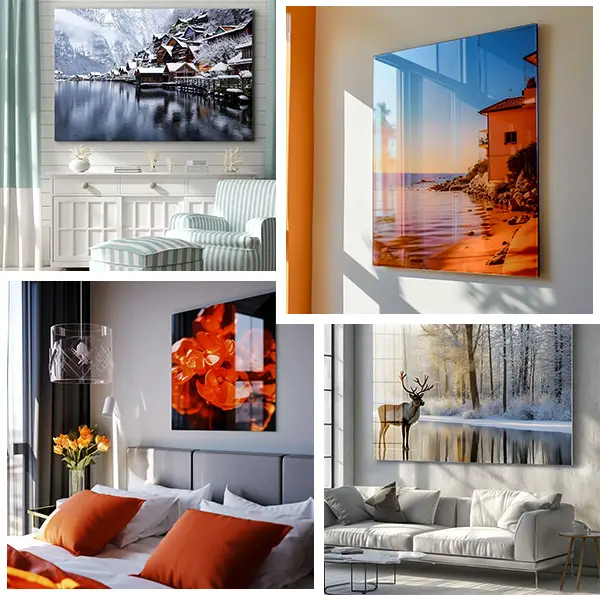
Acrylic brings out bold colors and crisp details, making it ideal for:
- Landscapes – The enhanced depth and vibrancy give nature scenes a dramatic, lifelike feel.
- Portraits – Glossy surfaces add a clean, polished look to high-resolution portraiture.
- Architecture & Cityscapes – Sharp lines and high contrast images look striking under acrylic.
- Abstract & Conceptual Photography – The modern aesthetic of acrylic wall art amplifies bold designs and creative compositions.
When Not to Use Acrylic
Despite its advantages, acrylic isn’t always the best fit:
- Glare-Sensitive Spaces – In rooms with lots of direct light or sunlight, the glossy surface can reflect too much, potentially distracting from the image.
- Vintage or Rustic Styles – If your artwork or space leans toward a softer, matte, or textured style, acrylic artwork may feel too modern or slick.
Ideal Spaces for Display
Because of its sleek, professional appearance, acrylic wall art fits beautifully in:
- Modern homes and condos
- Corporate offices and boardrooms
- Art galleries and showrooms
- Hotel lobbies and upscale retail spaces
In the fast-paced, style-conscious New York market, acrylic is especially popular in high-end residential and commercial interiors, where visual impact and professionalism are key.
Acrylic Prints vs. Other Print Types
Choosing the right print medium can dramatically impact how your photography is perceived. Let’s break down how an acrylic print compares with other popular options like canvas, metal, and traditional framed prints—so you can make the best decision based on your style, space, and purpose.
Acrylic vs. Canvas Prints
Canvas offers a soft, textured look ideal for vintage, rustic, or painterly aesthetics. In contrast, acrylic photo printing delivers a bold, modern feel with sharper details and a high-gloss finish.
- Acrylic Print: Sleek, vibrant, gallery-style presentation
- Canvas Print: Warm, artistic, and textured finish
- Best For: Use acrylic for high-impact photography; canvas for a classic, cozy vibe
Acrylic vs. Metal Prints
Both acrylic prints and metal prints offer a modern aesthetic, but there are subtle differences. Acrylic provides more depth and light refraction, while metal prints have a unique metallic sheen and slightly more industrial feel.
- Acrylic Print: Enhanced color depth and clarity
- Metal Print: Durable, edgy, and reflective
- Best For: Use acrylic for gallery and fine art; metal for outdoor or commercial applications
Acrylic vs. Traditional Framed Prints
Framed prints are timeless but can sometimes feel dated or less immersive. Acrylic photo printing eliminates the need for frames, offering a clean, contemporary edge-to-edge display.
- Acrylic Print: Frameless, vibrant, modern aesthetic
- Framed Print: Classic, but sometimes limited by matting or glare
- Best For: Acrylic for a minimalist, impactful look; framed prints for formal or traditional interiors
In today’s competitive creative market—especially in style-forward cities like New York—acrylic photo printing offers unmatched clarity, depth, and presentation. It’s not just a print—it’s a statement.
Printing Considerations: Getting the Most Out of Your Acrylic Prints
Before sending your work off for acrylic photo printing, there are a few important technical and practical details to consider. These factors can significantly affect the final quality of your acrylic prints, especially if you're aiming for gallery-level presentation or commercial use.
File Resolution & Image Quality
To get the sharp, high-definition result acrylic is known for, you’ll need high-resolution files—ideally 300 DPI (dots per inch) at the print size you want. Since acrylic prints magnify detail (both good and bad), blurry or low-res images may lose impact. Always double-check your file quality before uploading.
Color Profiles & Calibration
Color accuracy is critical for photographers, and acrylic’s vibrant finish makes precision even more important. Make sure your images are saved in the Adobe RGB or sRGB color profile, depending on what your print provider recommends.Also, calibrate your monitor to ensure what you see on screen will closely match your final acrylic photo printing output.
Choosing the Right Printing Service
Not all labs specialize in acrylic prints, and quality can vary. Look for a professional service with experience in acrylic photo printing, especially those offering face-mount or direct print options, museum-grade materials, and in-house quality checks. In cities like New York, where presentation and speed matter, trusted labs like Baboo Digital can make a big difference.
Pricing & Turnaround Expectations
Acrylic prints typically cost more than canvas or traditional paper prints—but for good reason. You're investing in premium materials, enhanced durability, and a standout visual effect. Prices depend on size, mounting style, and customization, while turnaround times usually range from a few days to two weeks. If you're on a deadline, choose a service that offers clear timelines and reliable customer support.
Getting your file setup and service selection right ensures your acrylic photo prints will not only meet expectations—they’ll exceed them.
Display & Maintenance Tips for Acrylic Prints
When it comes to showcasing your acrylic prints, the right mounting and lighting can make all the difference. Popular mounting options include float mounts, which create a sleek, frameless look by suspending the print slightly off the wall, and standoff mounts, which add a modern, dimensional effect with metal hardware. For those who prefer a classic approach, traditional frames can also complement your acrylic artwork, enhancing its presence while offering extra protection.
Lighting plays a crucial role in highlighting the vibrant colors and sharp details unique to acrylic printing. Soft, diffused light works best to minimize glare on the glossy surface, while directional gallery lighting can enhance the dimensionality of the print. Avoid placing acrylic prints in direct sunlight, as prolonged exposure can eventually impact the print’s longevity.
To keep your acrylic prints looking flawless, clean them regularly with a microfiber cloth and gentle, non-abrasive cleaners. Harsh chemicals or abrasive materials can scratch or cloud the acrylic surface, diminishing the brilliance of your artwork. For long-term preservation, store prints are flat in a cool, dry place when not on display and avoid stacking prints directly on top of each other to prevent damage.
Common Mistakes to Avoid
Many photographers underestimate how critical image quality and preparation are to successful acrylic printing. Using low-resolution images often results in blurry or pixelated prints that don’t do justice to your work. Likewise, over-editing colors can create unnatural effects that become overly pronounced on glossy acrylic surfaces.
Choosing the wrong mounting style or display location can also detract from your acrylic artwork’s impact. For example, placing a print with a glossy finish under harsh lighting may cause distracting glare. Lastly, not proofing your images before printing is a common oversight—always double-check color accuracy and resolution to ensure the final product meets your expectations.
Final Thoughts
Acrylic prints offer photographers a powerful way to elevate their portfolios and client projects with stunning color depth and modern presentation. Their versatility and premium feel make them ideal for exhibitions, galleries, or personalized gifts.
If you’re ready to showcase your best work with impact, don’t hesitate to experiment with acrylic printing. Explore acrylic prints for your next showcase-worthy photo and experience the difference this game-changing medium can make.