
Print Like a Pro: All About Acrylic Photo Prints
The Rise of Acrylic Prints in Modern Photography
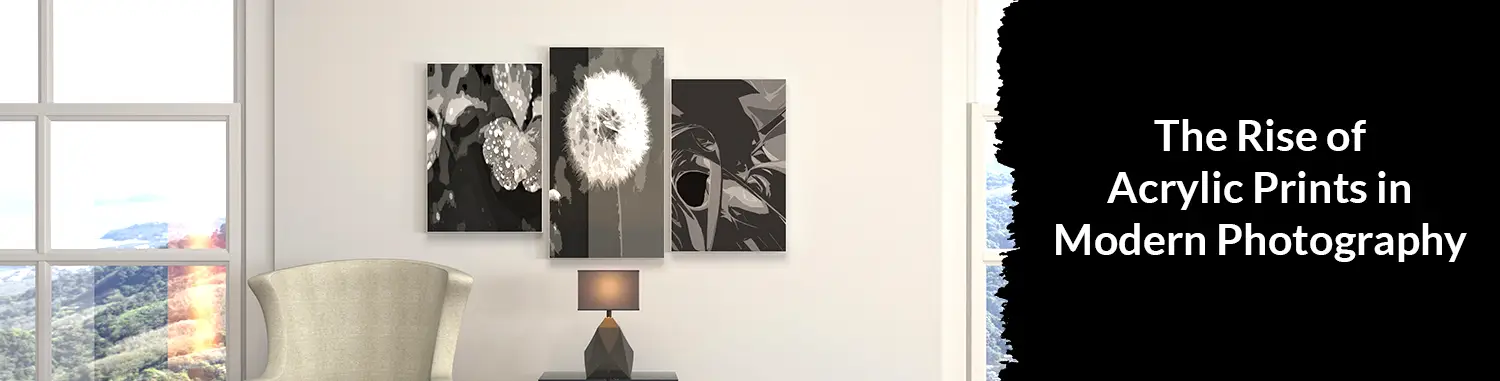
Photography has evolved dramatically over the last decade—not just in how images are captured but how they’re presented. A significant shift has been the growing popularity of acrylic prints as a premium alternative to traditional paper and canvas prints.
More photographers, galleries, and clients are embracing acrylic photo prints because they offer a sleek, modern aesthetic that resonates with today’s art lovers. Unlike traditional framed prints, acrylic wall art has a glossy, glass-like surface that elevates the vibrancy and sharpness of an image, making it feel more alive.
In today’s competitive market, the premium quality of acrylic artwork makes it a preferred choice for exhibitions, portfolios, and even commercial spaces. The trend is clear: acrylic printing isn’t just a fad—it’s becoming the gold standard for professional photographic display.
Behind the Gloss: How Acrylic Prints Are Made
Understanding how acrylic prints are created helps appreciate why they look so striking.
Sublimation vs. Face-Mounted Acrylic Printing
There are two primary ways images are combined with acrylic:
- Face-Mounted Acrylic Prints: This popular method involves printing the photograph on high-quality photo paper and then mounting it directly behind a clear acrylic sheet. This technique enhances the image's sharpness and depth by allowing light to refract through the acrylic.
- Direct Printing: Here, the image is printed directly onto the back of the acrylic sheet using UV-resistant inks. While this method is often more cost-effective, it usually doesn’t offer the same color depth and glossiness as face-mounted prints.
Paper-Mounted Acrylic vs. Direct Printing
Face-mounted prints typically produce more vivid colors and a more luxurious finish, as the acrylic acts as a protective and amplifying layer over the photo paper. On the other hand, direct printing is quicker and can be less expensive but sometimes sacrifices the vibrant look that makes acrylic photo printing stand out.
The Role of Acrylic Thickness and Materials
The thickness of the acrylic sheet—ranging from 1/8 inch to 1 inch—also impacts the final impression. Thicker acrylic creates a deeper, more dimensional look, enhancing the premium feel of your acrylic artwork. High-quality materials and UV-resistant coatings also ensure longevity and prevent fading, keeping your print vibrant for years.
What Makes Acrylic Prints Stand Out
Several qualities set acrylic prints apart from other print types:
- Brilliant Sharpness and Color Depth: The glossy acrylic surface magnifies every detail and color nuance. This makes images pop with vividness and clarity impossible to replicate with paper or canvas.
- Dimensional Effect Through Light Refraction: Light passes through the acrylic layer, creating a subtle three-dimensional effect that adds life and realism to photographs.
- Luxurious, Frameless Look: Many artists and photographers prefer acrylic wall art for its clean, frameless presentation that fits perfectly in modern and minimalist interiors.
- Long-Lasting Vibrancy: Thanks to UV protection and fade resistance, acrylic prints maintain their color intensity and sharpness far longer than many other print options.
Who Should Use Acrylic Prints?
Acrylic photo printing is ideal for photographers and clients who want to make an impact with their visuals:
- Photographers with high-contrast, colorful, or moody visuals will find that acrylic enhances the emotional intensity of their work.
- Professionals building portfolios or preparing for exhibitions benefit from the gallery-quality presentation that acrylic provides.
- Those serving luxury clientele or commercial clients appreciate the premium look and durability of acrylic prints.
Use cases range from fine art displays and commercial decor to personal collections, showcasing the versatility of acrylic prints across different settings.
Choosing the Right Photo for Acrylic Printing
Not every image is suited for acrylic printing. To get the best results, consider these factors:
- Ideal Images: Photos with strong contrasts, vibrant colors, or detailed textures work best. Black and white images also look stunning due to the sharpness and depth acrylic enhances.
- Resolution: Images should be at least 300 DPI at the final print size. Lower resolution can lead to pixelation and loss of detail when printed on glossy acrylic.
- Editing and Color Calibration: Always calibrate your monitor and use the recommended color profiles (like Adobe RGB or sRGB) to avoid unexpected color shifts in your acrylic photo prints. Avoid over-saturation or heavy sharpening, which can exaggerate imperfections on the glossy surface.
Presentation Matters: Mounting & Framing Options
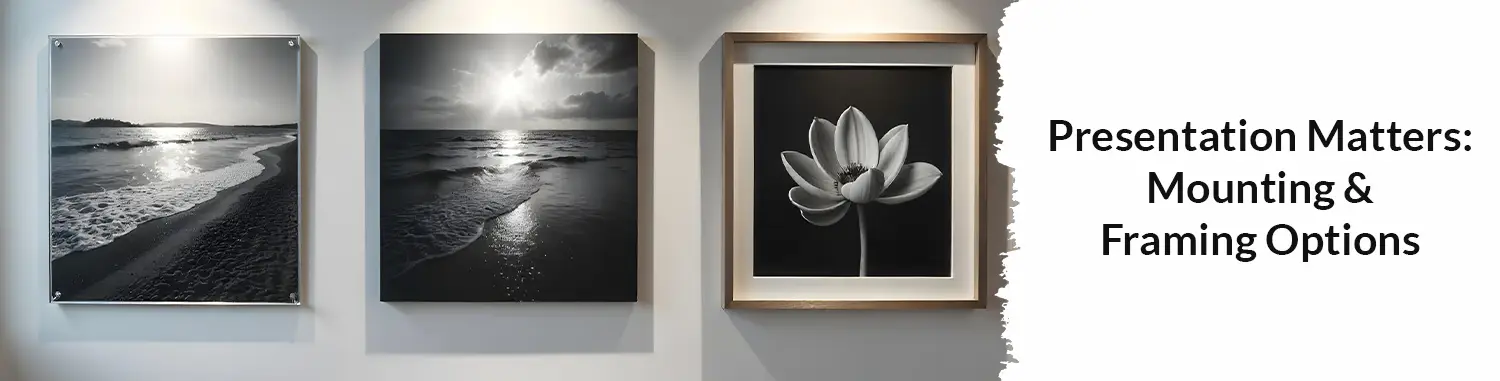
The way your acrylic print is mounted greatly affects its visual impact:
- Floating Mounts: These create the illusion that your acrylic artwork is floating off the wall, giving a minimalist and contemporary feel.
- Standoffs: Metal standoff mounts add an industrial and gallery-like sophistication, lifting the acrylic print from the wall with elegant hardware.
- Frameless vs. Shadow-Box Framing: While frameless is the most popular style for acrylic, shadow-box frames can add extra depth and protect the edges while maintaining a modern look.
- Hanging Tips: To minimize glare and maximize the depth effect, avoid direct sunlight and consider directional gallery lighting to enhance the dimensional qualities of the acrylic surface.
Caring for Your Acrylic Prints
To keep your acrylic wall art looking flawless, follow these care tips:
- Cleaning: Use only a soft microfiber cloth. Avoid abrasive materials or harsh chemical cleaners that can scratch or cloud the acrylic surface.
- Placement: Avoid placing acrylic prints in direct sunlight or near heat sources to prevent fading or warping.
- Transport & Storage: When moving or storing prints, protect them with soft sleeves or bubble wrap. Always store them flat and avoid stacking to prevent surface damage.
Real-World Inspiration
Case Study: Photographer’s Gallery Debut
New York-based photographer Sara Mitchell transitioned her portfolio from canvas to acrylic prints for her first gallery exhibition. She reported, “The acrylic prints made a huge difference — the colors were richer, and the depth gave my photos a vibrancy that canvas couldn’t match. The feedback was overwhelmingly positive.”
Before-and-After Comparison
A seascape that appeared muted on canvas took on a new life when printed as acrylic artwork. The glossiness amplified the blues and whites, turning it into a striking centerpiece.
Gallery-Style Installations
Corporate offices and luxury hotels increasingly choose acrylic photo prints to create sophisticated environments that impress clients and guests alike.
Conclusion: Is Acrylic Printing Worth It?
Acrylic photo printing represents the intersection of art, technology, and modern aesthetics. With its unmatched color brilliance, durability, and luxurious presentation, it offers photographers a powerful way to showcase their work.
If you’re aiming for gallery-level quality and want to elevate your portfolio or home decor, acrylic prints are worth exploring. Turn your best shot into a gallery-level piece with acrylic printing today.